Free consultation available Tel/whatsapp 07840030342
Holistic Treatments
Our bodies are quite adept at repairing themselves. By utilising holistic treatments that enhance our natural healing abilities, such as acupuncture, physical manipulations like myofascial release, massage, and cupping, many conditions can be treated successfully. Additionally, reflexology can also play a significant role in supporting this healing process.

Acupuncture
Acupuncture has been practiced for over 4000 years and gained popularity in the West during the '60s. This ancient form of holistic treatment addresses the whole body by utilizing its own healing responses. Within our bodies are several meridians through which Qi (pronounced Chee) flows. Qi has been likened to an electrical pulse that courses through the fascia. When we are healthy, our Qi flows freely; however, illness, trauma, and aging can create obstructions that lead to pain and other symptoms. By inserting hair-thin needles into specific points in the body, acupuncture helps correct these imbalances and promotes a healing response.
**After Care Advice**
The time following an acupuncture treatment is an opportunity for increased connection between mind and body. If you’ve never experienced acupuncture before, the lead-up to your first appointment may feel a bit nerve-racking; however, many people feel refreshed and restored after the session. It's crucial to tune into your body and understand what it needs after treatment.
**TAKE IT EASY AND REST**
It’s common for people to feel drained after acupuncture, often revealing true fatigue masked by stress hormones and caffeine. An acupuncture treatment washes away accumulated stress and cortisol, exposing your body's genuine state. This may be challenging for those accustomed to being constantly on the go, but it’s precisely what your body needs to heal itself and achieve better balance. Post-treatment is an ideal time to rest, to get the most from your treatment.
**DRINK WATER OR HERBAL TEA**
Hydration is crucial, and many of us don't drink enough water. Similar to reflexology and other holistic treatments, it's vital to drink plenty of water post-appointment to flush toxins released during the procedure. A helpful tip is to drink a glass of water every time you boil the kettle for a hot beverage. You'll be surprised by how much better you feel.
Proper hydration improves mental clarity and can stave off hunger. Dehydration can lead to various mood complications, and a simple glass of water can refresh you if you're feeling tired. Ensuring your body and muscles are well-hydrated after your acupuncture session aids in replenishing and balancing your system.
Always be kind and gentle to yourself, and remember to stay hydrated!
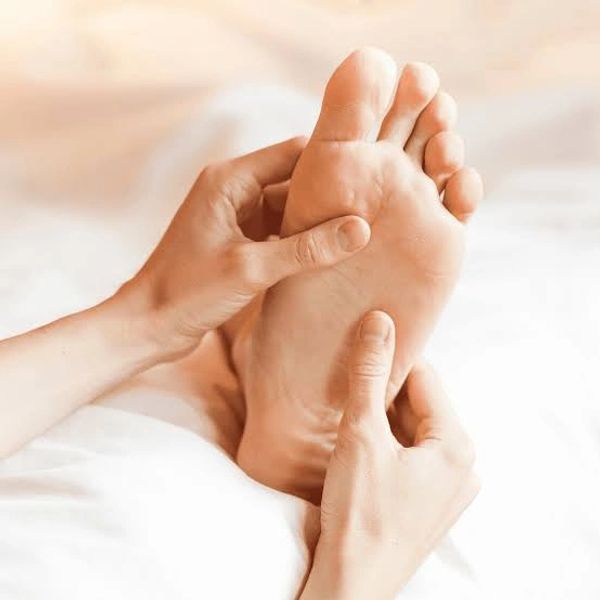
Reflexology
Reflexology effectively promotes deep relaxation and overall wellbeing. Reducing stress in people's lives is essential for good health and building resilience. This touch therapy is based on the theory that different points on the feet correspond to various areas of the body, and reflexologists work these points similarly to how acupuncture targets specific pathways.